

What Is a Floor Drain and How Does It Work?
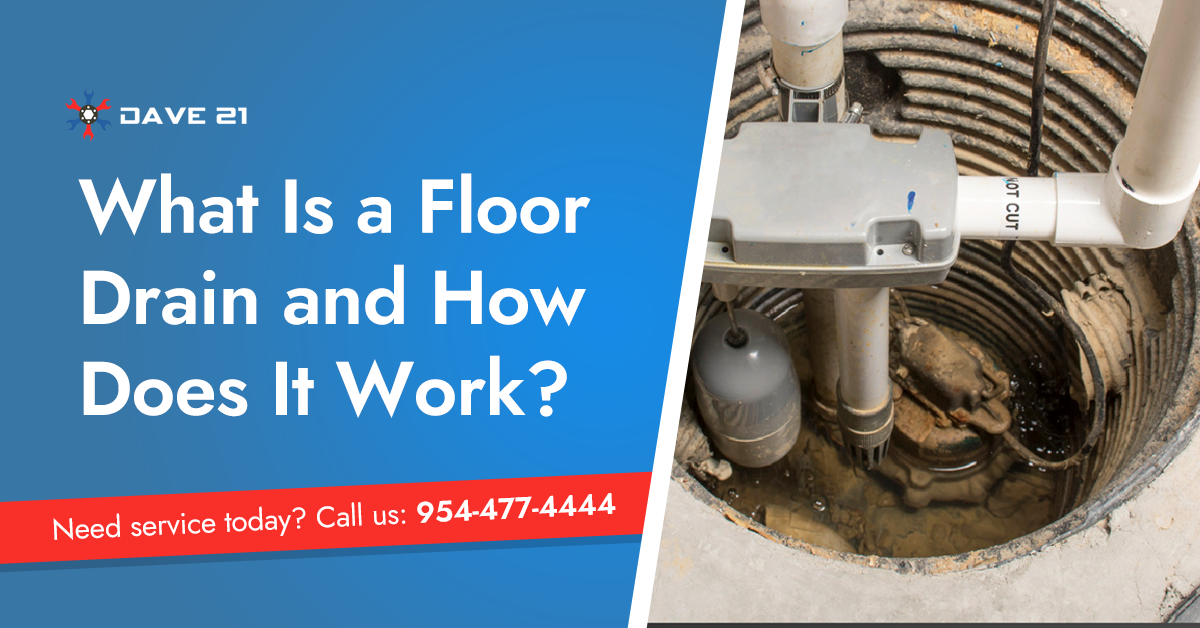
Let me start with the basics here. A floor drain is exactly what it sounds like. It’s a drainage point built directly into your floor surface. You’ll typically see a grate or strainer on top. Below that sits a trap, usually a p-trap, that holds water. This water seal prevents sewer gases from coming back up into your space.
The entire system connects to your home’s main drainpipe. Water flows through the grate, past the trap, and into your sewer line. Most setups use PVC pipe these days, though older homes might have cast iron. The design is simple but effective. When working correctly, it handles water from flooding, cleaning, or appliance leaks without any fuss.
Why Most American Homes Don't Have One
Here’s the honest truth from someone who’s worked in hundreds of homes. American builders stopped putting floor drains in most living spaces decades ago. It comes down to cost and building practices. Wall-to-wall carpet became hugely popular in the mid-1900s. You can’t exactly squeegee water across carpet, right?
Our homes also shifted toward different construction methods. Concrete slab foundations became common, especially in warmer climates. Adding drainage to an existing slab is expensive and messy. Builders focused on keeping costs down. A floor drain in every bathroom just wasn’t a priority for American home design.
Building Codes and Installation Costs
Building codes play a big role in this story, too. Most residential codes don’t require a floor drain in bathrooms or kitchens. Commercial buildings are different, but homes get a pass. Installing one after construction can cost anywhere from $500 to $2,000. You need to cut through the flooring, connect to the existing pipes, and ensure proper slope.
I’ve done these retrofit jobs many times. They’re not impossible, but they’re definitely not cheap. The concrete cutting alone takes specialized equipment. Then you need proper PVC connections and a quality trap assembly. Most homeowners decide the cost isn’t worth it for occasional mopping convenience.

Mexican CleanTok Changed American Bathroom Goals
Social media really shifted things recently. Mexican CleanTok videos took over everyone’s feeds. You see people hosing down entire bathrooms like it’s nothing. Water goes everywhere, soap suds fly around, and everything drains away perfectly. These clips get millions of views because Americans are genuinely fascinated.
The secret isn’t some special cleaning technique, though. Mexican homes are simply built differently. Tile floors are standard throughout the house. Bathrooms always include proper drainage. The entire room functions like one big shower. This building style has been common in Mexico and other countries for generations. It’s not new to them at all.
The Floor Covering Problem Most Homeowners Miss
American floor covering choices create the real obstacle here. We love hardwood, laminate, and carpet in our homes. These materials cannot handle standing water. Even our bathroom tile often isn’t sloped toward any drainage point. The subfloor underneath would rot if you regularly flooded it.
I always explain this to clients who want the CleanTok experience. Your home’s floor wasn’t designed for water drainage. The bathroom might have tile, but there’s probably wood underneath. Without proper waterproofing and slope, adding a floor drain won’t help much. You’d need a complete bathroom renovation to make it work properly.
Where a Floor Drain Actually Makes Sense
Now, some areas of your home genuinely benefit from drainage. Basements are the obvious choice. A basement floor drain catches water heater leaks and washing machine overflows. It also handles minor flooding during heavy storms. This is one place where even American builders typically include drainage.
Garages are another smart location for a drain system. You can wash your car inside or clean up oil spills easily. Utility rooms with water heaters also need this protection. These spaces have concrete floors already, making installation much simpler. The functionality really pays off in these areas.
Basement and Utility Space Drainage Solutions
For basement drainage, you have several good options to consider:
- Cast iron drains work great for heavy-duty use
- PVC systems offer affordable and reliable performance
- Stainless steel grates resist rust in damp environments
- Dome strainers catch debris before it causes clogs
- Square designs fit nicely against walls and corners
Most basement floor drains use a simple 2-inch or 3-inch pipe diameter. The trap keeps sewer gases out while allowing water through. I recommend checking these traps monthly. They can dry out and let odors escape if unused for long periods.
Commercial vs Residential Drain Options

Commercial floor drain setups differ quite a bit from home versions. Restaurants need heavy-duty stainless steel drains. They handle grease, food debris, and constant cleaning. A commercial kitchen drain usually includes cleanout access for maintenance. These systems cost more but handle much higher demands.
Residential options are simpler and cheaper for most homeowners. A basic PVC drain with a chrome or nickel grate works fine. You don’t need industrial-strength materials for occasional basement use. Zurn and other manufacturers make quality residential products. Match your choice to your actual usage needs and budget.
Should You Add a Floor Drain to Your Home?
After years of doing this work, here’s my honest advice. Adding drainage makes sense in specific situations only. If you’re already renovating a bathroom down to the studs, consider it seriously. A new concrete basement floor should absolutely include one. Otherwise, the cost probably doesn’t justify the convenience.
For that CleanTok cleaning style, you’d need more than just a drain installed. Your entire bathroom would need waterproofing, sloped floors, and appropriate tile work. That’s a major renovation project. Most people are better off enjoying those satisfying videos without trying to recreate them. Stick with traditional mopping methods and save yourself thousands of dollars. Your American bathroom works just fine the way it is.
Trustindex verifies that the original source of the review is Google. These guys are the best. It was extremely easy -went to the website afterhours and posted a chat message. Sam called me right away and we scheduled for two days later to replace two toilets. They gave the option of picking up the products and removing the old toilets. They got here in time, worked quietly, cleaned up spotlessly, and everything was done in 90 minutes. 10 out of 10. Highly recommend. Update: reached out via the chat tool and Sam responded pretty promptly - service was professional and timely and reasonable - can't ask for better servicePosted onTrustindex verifies that the original source of the review is Google. Sam so profesional could resolve problem asapPosted onTrustindex verifies that the original source of the review is Google. I'm very satisfied for the work has been done here, especially a very professional job. highly recommended for detecting problems, locating pipe underground and fix issue! you can save a lot of money!Posted onTrustindex verifies that the original source of the review is Google. Thank you for your service, the tech you send Sam was wonderful, he fixed my leak under the kitchen sink really quickly and efficiently. Price was good! recommend 100%Posted onTrustindex verifies that the original source of the review is Google. Asam was amazing. He called every few hours to update me on his arrival time. He was very neat and left the area spotless. Only reason I didn't give 5 stars was whoever passed the job to Asam was a bad communicator. I was chasing him for answers.Posted onTrustindex verifies that the original source of the review is Google. Good job donePosted onTrustindex verifies that the original source of the review is Google. Cleared the main drain from the roof. Good job.Verified by TrustindexTrustindex verified badge is the Universal Symbol of Trust. Only the greatest companies can get the verified badge who has a review score above 4.5, based on customer reviews over the past 12 months. Read more
Frequently Asked Questions
Q: Can I install a floor drain in my existing bathroom myself?
A: I really don’t recommend this as a DIY project. You need to cut through flooring materials and concrete in most cases. The drain pipe must connect properly to your existing plumbing system. Getting the slope wrong means water won’t actually drain anywhere. Plus, permit requirements vary by location. Hire a licensed plumber who can ensure everything meets code and functions correctly.
Q: How do I maintain a floor drain to prevent clogs and odors?
A: Pour water down the drain monthly to keep the trap full. This water seal blocks sewer gases from entering your home. Clean the strainer regularly by removing debris and hair buildup. Once a year, consider using an enzyme cleaner to break down any buildup in the pipe. Never pour grease or harsh chemicals down the drain.
Q: Why does my basement floor drain smell bad sometimes?
A: The p-trap has probably dried out from lack of use. When water evaporates from the trap, sewer gases escape into your space. Simply pour a gallon of water down the drain to refill it. If the smell continues, you might have a cracked trap or a damaged seal. A plumber can inspect the system and identify any larger problems.
Q: What's the difference between a floor drain and a floor sink?
A: A floor sink sits recessed into the ground with deeper sides. Commercial kitchens use them to catch equipment discharge. Floor drains sit almost flush with the surface and handle general water runoff. Floor sinks can hold more volume before draining. Your home’s basement needs a standard floor drain, not a commercial floor sink.
Q: Can floor drains freeze in cold climates during the winter months?
A: Yes, drains in unheated spaces can definitely freeze. The water in the trap turns to ice and blocks drainage. Some homeowners add RV antifreeze to prevent this problem. You can also use a drain cover to reduce cold air exposure. If your basement stays heated, freezing shouldn’t be a concern for your system.
Q: How much slope does a floor need for proper drainage?
A: Most building codes require a quarter-inch slope per foot toward the drain. This means a bathroom floor four feet from the drain needs one inch of drop. Getting this slope right during construction is straightforward. Retrofitting existing floors to achieve proper slope is much harder and more expensive. That’s why adding drainage later costs so much.