
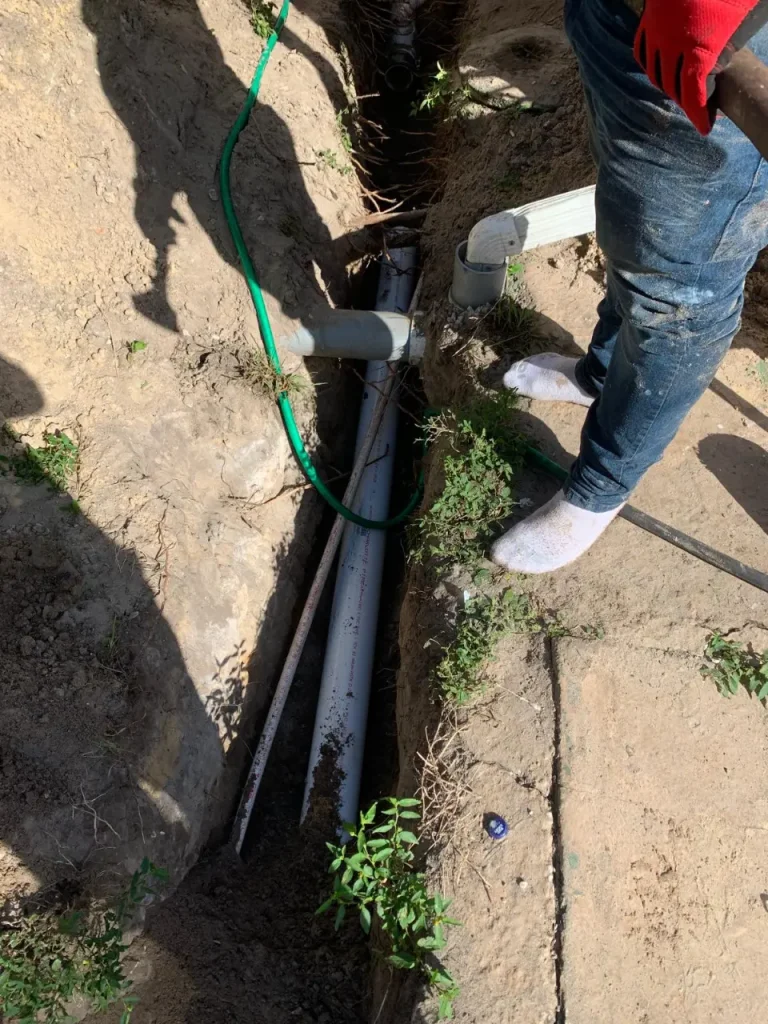
If you’ve ever dealt with a leaky pipe, you know how frustrating it can be. That’s where clamping rings come into play. These simple but powerful tools have changed how we approach plumbing connections. We use them daily on residential and commercial jobs alike. They create tight seals without welding or soldering. Whether you’re fixing a drain line or installing new pipes, clamping rings make the job faster and more reliable. Let’s break down why these components matter so much.
What Are Clamping Rings and Why Plumbers Rely on Them
Here’s the deal. Clamping rings are metal or plastic bands that secure pipes together. They work by applying even pressure around the joint. This creates a watertight seal that holds up over time. We’ve been using these on drain, waste, and vent systems for years now.
The beauty of clamping rings is their simplicity. You don’t need special certifications or expensive equipment to install them. A basic wrench gets the job done in most cases. They fit around rubber gaskets that sit between the pipes. When you tighten the ring, the gasket compresses and seals everything up nice and tight.
How These Ring Clamps Create Leak-Free Connections
Let’s talk about what makes these connections so reliable. The secret is in the mechanical pressure. When you tighten the clamp, it squeezes the gasket evenly around the pipe. This even distribution prevents weak spots where leaks could start. We’ve seen these seals last for decades when installed correctly.
Modern plumbing demands consistency. Clamping rings deliver precisely that. They maintain steady pressure on the joint through temperature changes and vibrations. Your pipes expand and contract slightly with hot and cold water. A good ring clamp accommodates this movement without losing its seal. That’s why we recommend them for both new installations and repairs.
Understanding the Dome Design and Its Benefits
Many clamp styles feature a dome shape. This isn’t just for looks. The domed design adds structural strength to the band. It prevents the ring from bending or warping under pressure. We’ve found this design holds up better in tight spaces where tools might bump against it.
The dome profile also makes installation easier. You can see at a glance whether the clamp is seated correctly. If the dome looks uneven, you know something’s off. This visual check saves time and prevents callbacks. Trust us, catching a problem during installation beats getting a call about a leak later.
How to Use Clamping Rings on Hubless Pipe Fittings
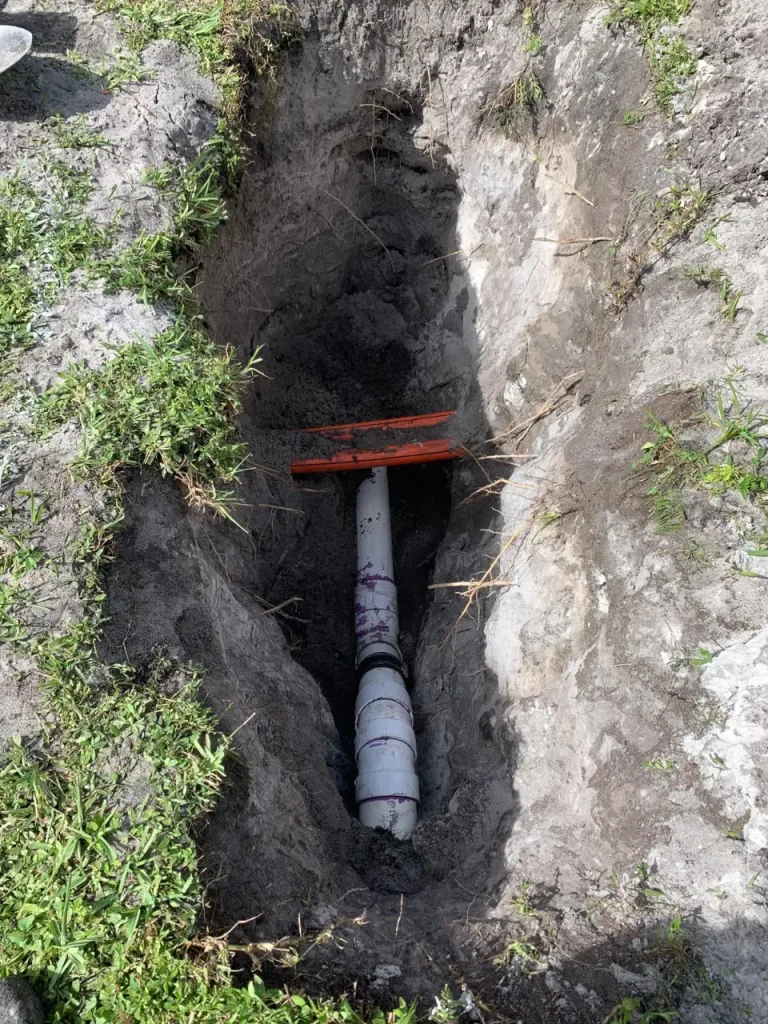
Working with hubless fittings? Clamping rings are your best friend here. We regularly install these on cast-iron and plastic drain pipes. The process is straightforward once you know the steps. First, make sure your pipe ends are clean and square. Any debris or rough edges can mess with the seal.
Slide the rubber coupling onto one pipe end first. Then bring the second pipe into position. Center the coupling over the joint so it covers both sides equally. Now place your clamping rings on each end of the coupling. Tighten them down evenly, alternating between sides. This keeps everything aligned properly.
Here are common mistakes we see with installation:
- Overtightening the bands, which damages the gasket
- Not cleaning pipe ends before assembly
- Using mismatched sizes for pipe and coupling
- Forgetting to check alignment before final tightening
- Skipping the leak test after completion
Why You Should Buy Quality Clamp Products
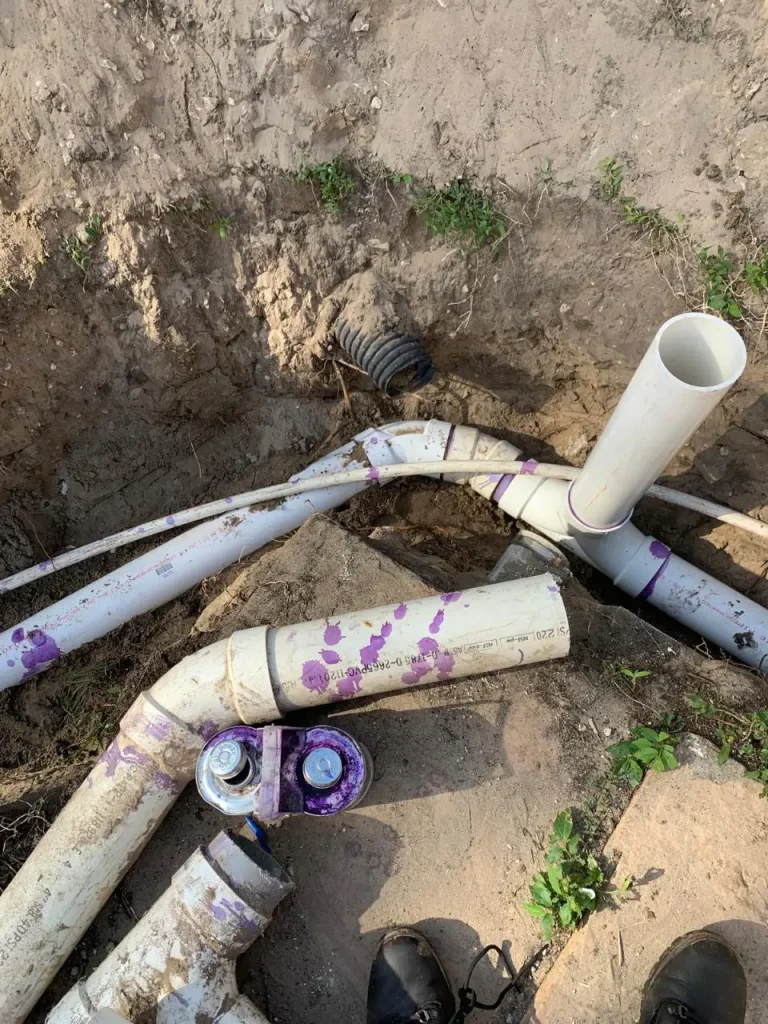
Not all clamps are created equal. We’ve learned this the hard way over the years. Cheap products might save money upfront, but they cost more in the long run. Low-quality bands can rust, crack, or lose tension. Then you’re back under the house, fixing the same joint again.
Quality clamping rings use corrosion-resistant materials. Stainless steel is the gold standard for most applications. These products withstand moisture, chemicals, and time much better than cheaper alternatives. When you buy from reputable suppliers, you also get consistent sizing. That matters when you need things to fit right the first time.
Related Products That Complete Your Plumbing System
Clamping rings work best as part of a complete system. You’ll need the right couplings and gaskets to match. We always keep a variety of sizes on our trucks for different pipe diameters. Having the right related products on hand speeds up every job.
Consider stocking transition couplings, too. These let you connect different pipe materials. Cast iron to PVC conversions are common in older homes. The right coupling with proper clamping rings makes these transitions seamless. Your local supply house can help you find compatible products for your specific needs.
Trust Professional Clamping Rings for Long-Term Results
Look, we get it. DIY projects can be satisfying. But when it comes to plumbing connections, using professional-grade clamping rings matters. These aren’t the same as generic hardware store options. Professional products meet stricter standards for pressure ratings and durability. They’re what we trust on every job.
Your plumbing system deserves components that last. Clamping rings play a small but critical role in keeping water where it belongs. They prevent the damage that leaks cause to walls, floors, and foundations. Investing in quality now protects your home for years to come. When you choose reliable clamping rings and install them correctly, you can forget about that joint and move on.
Trustindex verifies that the original source of the review is Google. These guys are the best. It was extremely easy -went to the website afterhours and posted a chat message. Sam called me right away and we scheduled for two days later to replace two toilets. They gave the option of picking up the products and removing the old toilets. They got here in time, worked quietly, cleaned up spotlessly, and everything was done in 90 minutes. 10 out of 10. Highly recommend. Update: reached out via the chat tool and Sam responded pretty promptly - service was professional and timely and reasonable - can't ask for better servicePosted onTrustindex verifies that the original source of the review is Google. Sam so profesional could resolve problem asapPosted onTrustindex verifies that the original source of the review is Google. I'm very satisfied for the work has been done here, especially a very professional job. highly recommended for detecting problems, locating pipe underground and fix issue! you can save a lot of money!Posted onTrustindex verifies that the original source of the review is Google. Thank you for your service, the tech you send Sam was wonderful, he fixed my leak under the kitchen sink really quickly and efficiently. Price was good! recommend 100%Posted onTrustindex verifies that the original source of the review is Google. Asam was amazing. He called every few hours to update me on his arrival time. He was very neat and left the area spotless. Only reason I didn't give 5 stars was whoever passed the job to Asam was a bad communicator. I was chasing him for answers.Posted onTrustindex verifies that the original source of the review is Google. Good job donePosted onTrustindex verifies that the original source of the review is Google. Cleared the main drain from the roof. Good job.Verified by TrustindexTrustindex verified badge is the Universal Symbol of Trust. Only the greatest companies can get the verified badge who has a review score above 4.5, based on customer reviews over the past 12 months. Read more