
If you’ve ever dealt with a wet basement, you know how frustrating water problems can be. That’s where a sump pump comes in handy. These simple machines sit in your basement’s lowest point and kick on when water levels rise. They’re your first line of defense against flooding and moisture damage. Let’s walk through everything you need to know about choosing, maintaining, and replacing these essential home protectors.
Get Your Plumbing Fixed Today!
Understanding Basement Sump Pump Systems
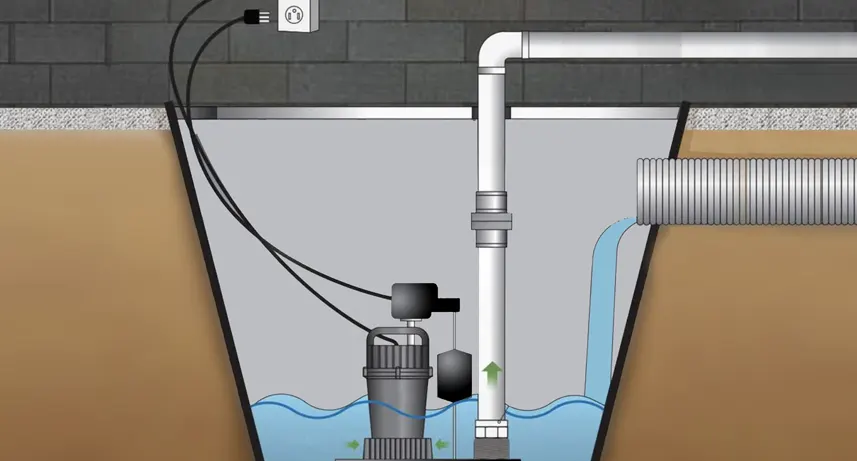
Plumbers in Tamarac FLA sump pump is basically a water removal system that keeps your basement dry. It sits in a pit, called a sump basin, dug into your basement floor. When groundwater or rain seeps in, the pump automatically turns on and pushes water away from your home.
Think of it like a bouncer for water. The system includes the pump itself, a discharge pipe, and a check valve that prevents water from flowing back. Most homes in wet climates or areas with high water tables really benefit from having one. Without this protection, you’re looking at potential foundation damage, mold growth, and ruined belongings.
Type of Sump Pump: Submersible vs Pedestal
You’ve got two main choices when shopping for a new unit. Submersible pumps sit completely underwater in the basin. Pedestal pumps keep their motor above water level. Each style has its own strengths.
Submersible Sump Pump Benefits
Pedestal pumps cost less and are easier to service since the motor stays accessible. They typically last longer because the motor doesn’t sit in water. The downside? They’re noisier and take up more space in your basement.
Battery Backup Sump Pump Systems
Power outages often happen during storms – exactly when you need pumping power most. That’s why battery backup systems are worth considering. These kick in automatically when your main power fails.
A good backup system includes:
- A marine battery that holds charge for hours
- An automatic switching mechanism
- A charging system that keeps batteries ready
- An alarm that alerts you to problems
Most backups can run for 5-7 hours continuously. Some newer models even send alerts to your phone.
Horsepower and Pump Selection Considerations
Choosing the right horsepower matters more than you might think. A 1/3 HP model handles most residential needs. But if you have serious water issues, consider 1/2 HP or higher.
The impeller type affects performance too. Cast iron impellers last longest and handle solids best. Thermoplastic ones work fine for cleaner water situations. Also, check your discharge pipe size. A 1.5-inch pipe moves water efficiently for most homes. Going bigger won’t hurt, but smaller pipes restrict flow and strain the motor.
Understanding Sump Pump Repair, Installation & Replacement
Most units last about 10 years with proper care. Watch for warning signs like strange noises, constant running, or visible rust. Small repairs like float switch adjustments you can handle yourself.
Professional installation typically costs $500-$1,500, depending on complexity. Replacement runs similar if you’re using the existing basin. DIY installation saves money but requires plumbing knowledge and tools. Always check local codes before starting any work. Some areas require permits and professional installation for insurance purposes.
Conclusions On Sump Pumps
Protecting your basement doesn’t have to be complicated. The right sump pump gives you peace of mind during heavy rains. Regular maintenance and timely replacement keep your system running when you need it most. Whether you choose submersible or pedestal, adding battery backup makes sense for most homeowners. Take time to size your system properly – your dry basement will thank you for years to come.


Frequently Asked Questions
How often should I test my sump pump to make sure it’s working?
Test your pump every 3-4 months by pouring water into the basin until it triggers. Spring testing is crucial before rainy season hits. Check the discharge pipe for clogs and ensure the float switch moves freely. Listen for unusual sounds during operation. Annual professional inspections catch problems early and extend pump life significantly.
Can I install a sump pump myself, or should I hire a professional?
Handy homeowners can tackle basic replacements using existing basins and plumbing. You’ll need electrical knowledge for wiring and proper tools for pipe work. New installations require breaking concrete, digging basins, and running discharge lines – definitely professional territory. Many areas require permits and licensed installation. DIY saves money but mistakes cause expensive water damage later. problems early and extend pump life significantly.
What are the warning signs that my sump pump needs replacing?
Strange grinding noises mean worn bearings or impellers. Constant cycling indicates a stuck switch or sizing problem. Visible rust, especially on cast iron components, signals deterioration. Age matters too – pumps over 7 years need close watching. If your pump runs continuously without removing water, or won’t start during tests, replacement time has arrived.
Test your pump every 3-4 months by pouring water into the basin until it triggers. Spring testing is crucial before rainy season hits. Check the discharge pipe for clogs and ensure the float switch moves freely. Listen for unusual sounds during operation. Annual professional inspections catch problems early and extend pump life significantly.
Handy homeowners can tackle basic replacements using existing basins and plumbing. You’ll need electrical knowledge for wiring and proper tools for pipe work. New installations require breaking concrete, digging basins, and running discharge lines – definitely professional territory. Many areas require permits and licensed installation. DIY saves money but mistakes cause expensive water damage later. problems early and extend pump life significantly.
Strange grinding noises mean worn bearings or impellers. Constant cycling indicates a stuck switch or sizing problem. Visible rust, especially on cast iron components, signals deterioration. Age matters too – pumps over 7 years need close watching. If your pump runs continuously without removing water, or won’t start during tests, replacement time has arrived.